
Ketamine alters our perception of pain by blocking N-methyl-D-aspartate (NMDA) receptors and modulating glutamate. These molecules are integral to pain signaling in the body.
Managing chronic pain is challenging, which is why many patients turn to ketamine after failing with other therapies.
Having an open conversation with your healthcare provider will help you determine if ketamine is viable for your pain condition.
It targets glutamate receptors in the brain, potentially "resetting" neural pathways linked to mood and pain perception.
Patients can find relief when other treatments fail. Effects may be felt within hours.
At low, controlled doses for medical use, addiction risk is minimal. Ketamine is not neurologically addictive.
Psychological addiction is more of a factor when considering the potential for addiction when using compounded ketamine.
Relief varies. Some experience benefits for days or weeks after a dose, while others require maintenance sessions.
Consistency and adjunct therapy (e.g., counseling) help improve outcomes.
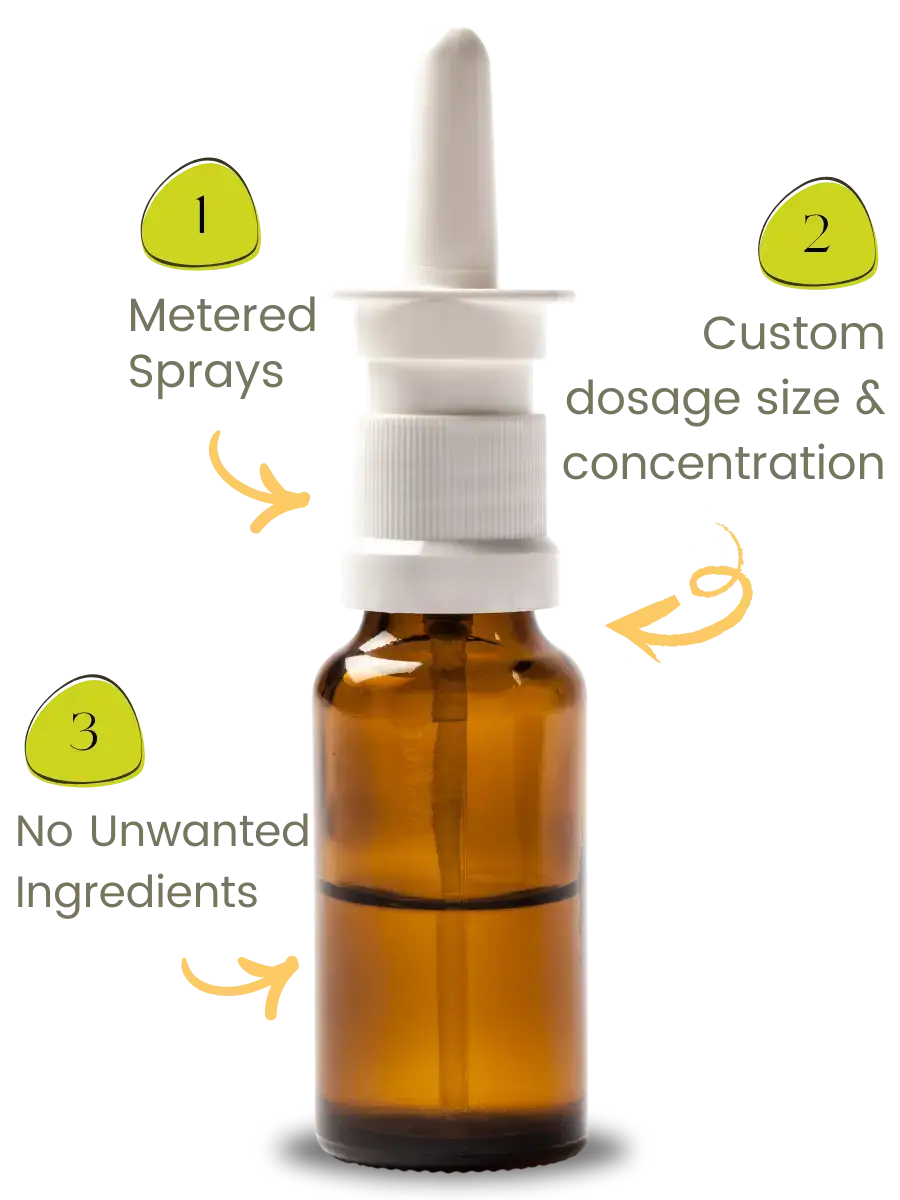
Forms such as nasal sprays, sublingual troches (lozenges), rapid-dissolving tablets, and topical creams are available for convenient at-home use under medical guidance.
For those with sensitivities, we offer allergen-free, dye-free, or preservative-free options.
These customizable formats allow your provider to match the delivery method to your treatment plan and individual needs.
Certain compounded forms, like nasal sprays and troches, may be prescribed for at-home use under strict medical oversight. Providers will assess if this is suitable based on the patient's condition and safety.
IV ketamine and the traditionally prescribed nasal spray Spravato must be administered in a doctor's office.
Doctors define chronic pain as pain that lasts for three months or more. This timeframe exceeds the standard healing window for damaged tissue.
More than 20% of US adults suffer from chronic pain. Chronic pain impacts people in three key areas:

Emerging evidence supports ketamine’s role in chronic pain management. Regular doses can cause sensations such as hallucinations or dissociations.
But at low doses?
Most people will handle it just fine, and it’s mostly well-tolerated.
Severe chronic pain can lead patients to believe they need opiates or other potent pain relievers.
That’s not always the case.
Ketamine offers an alternative to opiates, with pain relief possible in as little as 60 minutes.
Patients can also maintain up to 3 months of analgesic effects after long-term administration.
Depression, understandably, is frequently a comorbidity alongside chronic pain.
Modulating glutamate in the brain has also shown therapeutic effects for mental health.
Non-topical applications of ketamine can help patients experiencing both chronic pain and depression find relief.
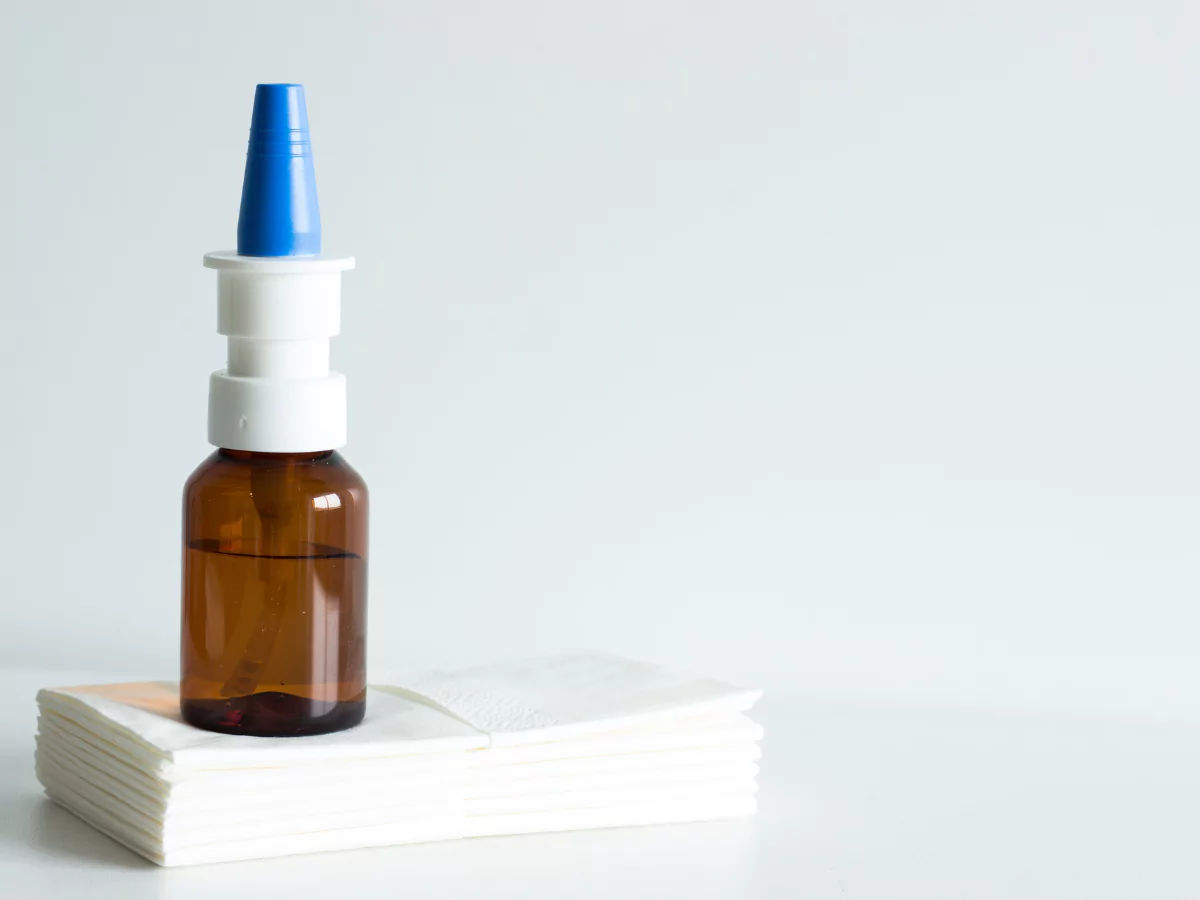
Topical ketamine is excellent for targeted pain relief and minimal side effects, with great utility for chronic pain, acute pain, and sports injuries.
It has a lower absorption rate, around 1-3%, so patients won’t experience the dissociative effects or brain fog that may occur with other forms of application.
Topical ketamine can be applied 3-4 times per day. We see patients typically using it every 4-6 hours.
We can improve pain relief by combining topical ketamine with other ingredients such as:

Ketamine is mostly well-tolerated, even in high concentrations.
But like any medication, there are some side effects, including:
Patients must take intravenous or intranasal ketamine in the doctor’s office for close monitoring. Overseeing patients helps ensure side effects do not become dangerous and also helps protect against potential addiction.
Ketamine is not physically addictive and will not cause withdrawal if discontinued. However, psychological addiction may be possible as patients may grow to desire the way it makes them feel.
Compounded versions of ketamine are able to be taken in the comfort of your own home.
Any adverse effects or uncomfortable sensations need to be reported to your health care team, including your doctor and pharmacist.
We can then make adjustments to your medication to help alleviate unwanted side effects.
Ketamine has a low risk profile for addiction.
It is not physically addictive. This means the chemistry in your brain won’t be altered to make you crave more, and there are no withdrawals if discontinued.
However, psychological addiction may be possible as patients may grow to desire the way it makes them feel.

Ketamine therapy has helped many patients suffering from chronic pain. If you would like to learn more, don’t hesitate to contact our pharmacists.
We are knowledgeable about compounding ketamine for pain, depression, and more.
A nationwide shortage of estradiol patches is affecting major pharmacies and may continue for up to 3 years.
Affected brands include:
You don’t need to wait until you run out. Compounding pharmacies are experts at stepping in when drug shortages occur.
We have topical options such as creams or troches, and we work with your doctor to ensure your care stays on track.