
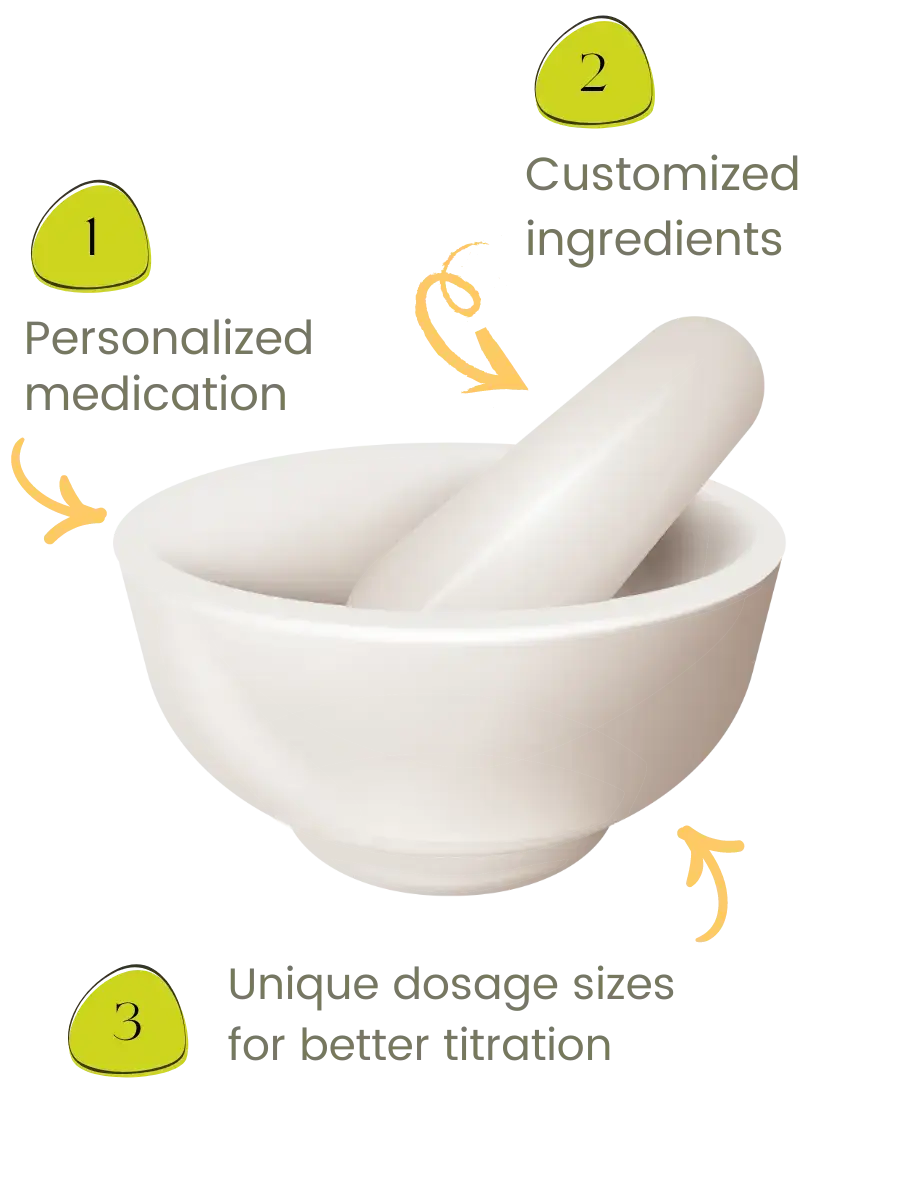
When commercially available medications don’t fit the patient’s needs, compounding pharmacies fill the gap. But not all compounded medications are created equal.
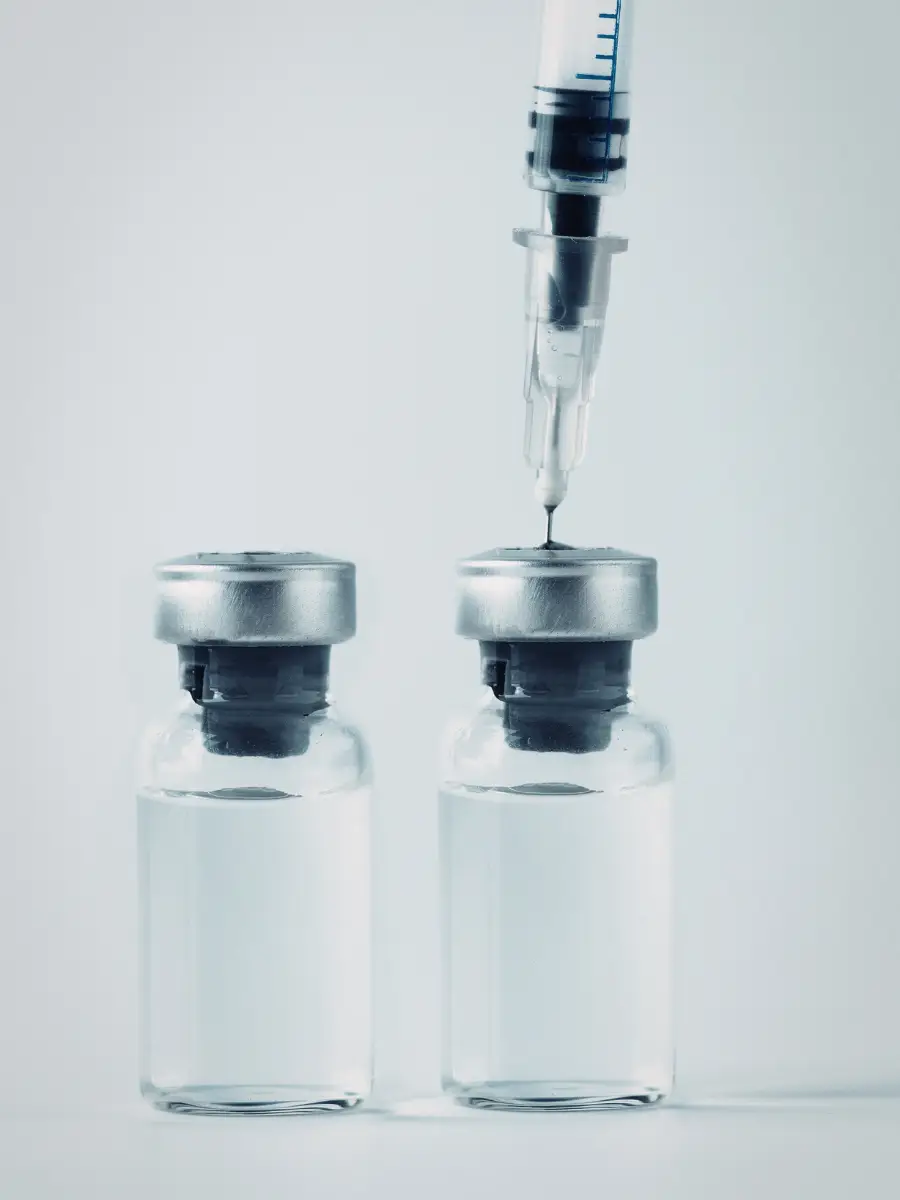
Medications that bypass the immune system, such as injectables, must be made in a sterile environment to prevent bacterial contamination.
So, how are sterile compounded medications made? Why does sterility matter? And what sets a quality compounding pharmacy apart?
A sterile environment is required for some compounded medications such as injectables.
Since these medications bypass our immune system, they must be prepared in a contaminant-free (ISO-certified) cleanroom.
Options include:
Yes!
We prepare micro-doses (e.g., 0.25mg) or high-strength formulations unavailable commercially, perfect for hormone therapy or sensitive patients.
This also helps more easily titrate medications.
Absolutely!
We eliminate common triggers like gluten, lactose, dyes, or preservatives. This method is ideal for patients with celiac disease, sensitivities, or mast cell disorders.
Patients may use compounded medications due to necessity or even preference.
If you have allergies to dyes/fillers, need precise doses (e.g., pediatric or geriatric), require discontinued drugs, or struggle with swallowing pills, compounding offers a solution.
Creating a sterile compounded medication is a detailed process that demands strict training, specialized equipment, and careful attention to detail.
Here’s how we do it:
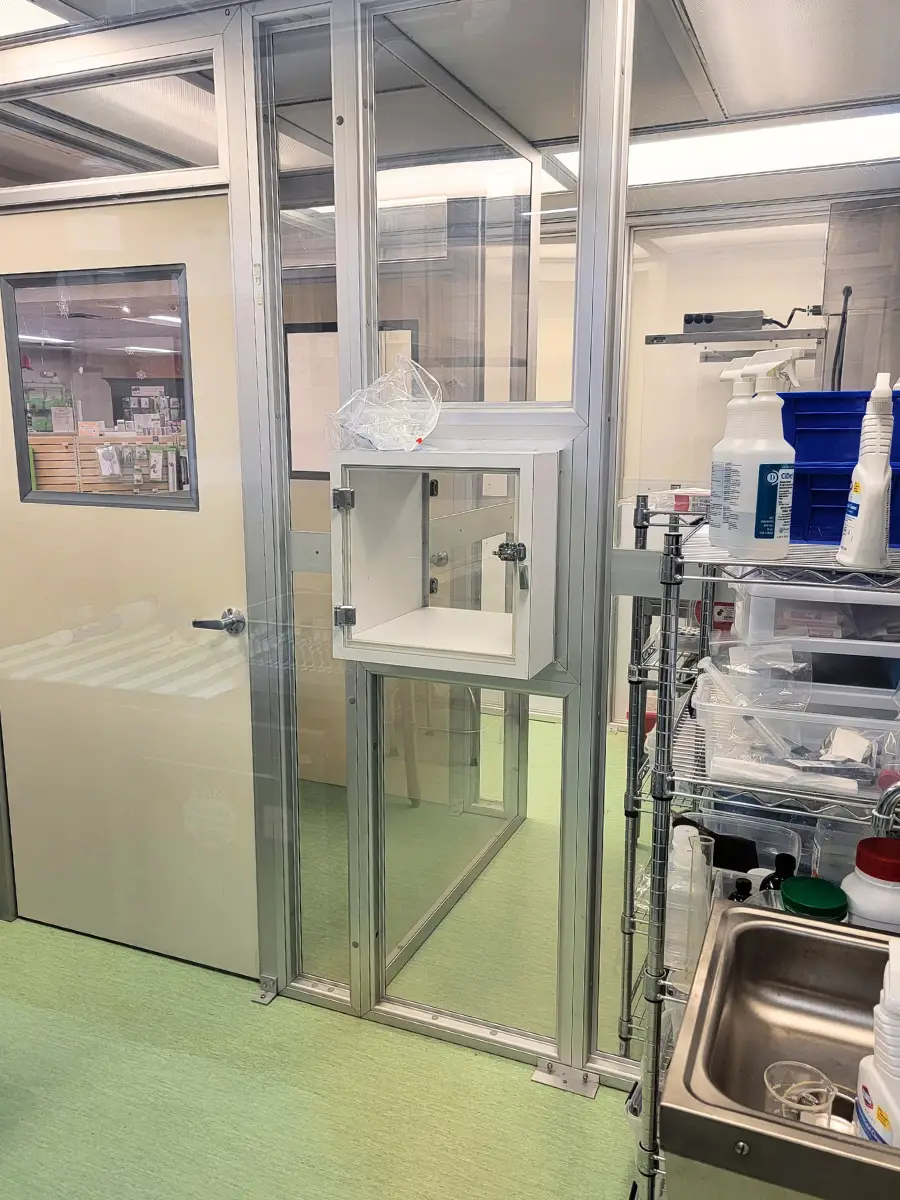
Sterile compounding takes place in an ISO-classified cleanroom, a controlled environment designed to minimize airborne particles.
Most pharmacy cleanrooms operate at ISO Class 5 or better, meaning fewer than 3,520 particles per cubic meter of air (compared to millions in regular room air).
Key features of a sterile cleanroom include:
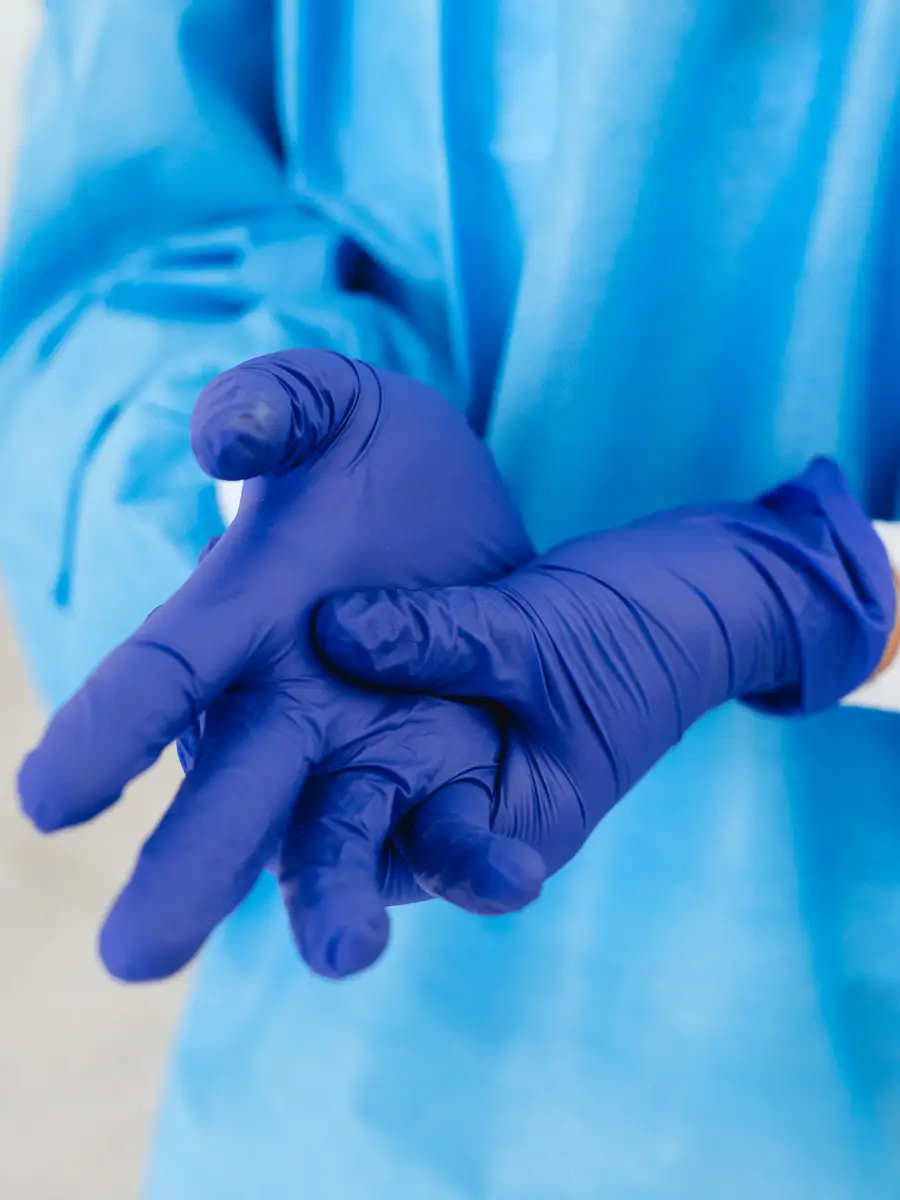
Before any compounding begins, staff must follow a strict garbing procedure:
Every movement is deliberate to avoid contaminating the sterile suit or gloves.
All items entering the cleanroom, including ingredients, equipment, and packaging, are sprayed with sterile isopropyl alcohol and wiped down.
Surfaces are cleaned with specialized disinfectants according to a rotating schedule to prevent the development of microbial resistance.
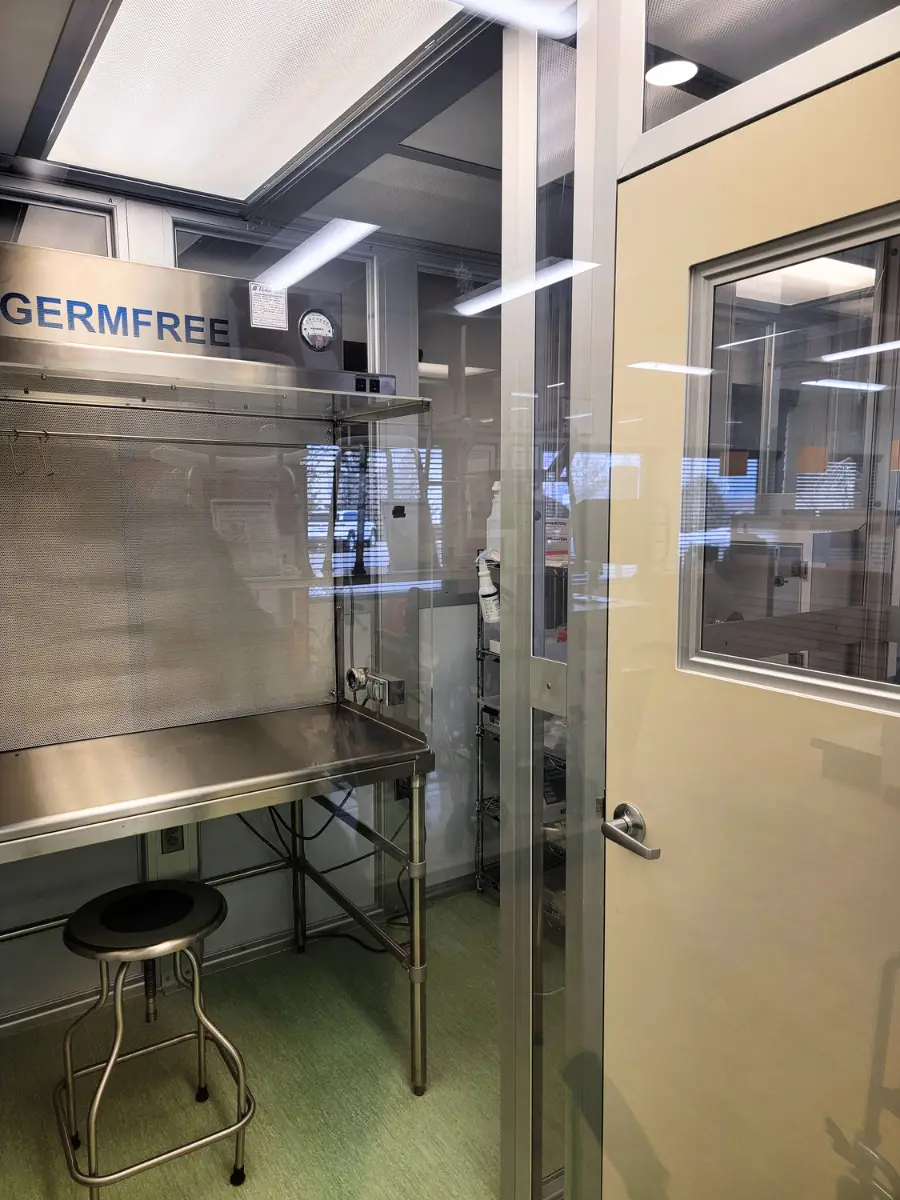
The actual preparation occurs in a laminar airflow workbench (LAFW). These hoods provide an ISO Class 5 environment by directing HEPA-filtered air over the work surface.
The pharmacist or technician:
Throughout the process, multiple checks ensure accuracy and sterility:
The finished sterile preparation is sealed in sterile containers, labeled with patient-specific information, and often placed in overwraps for protection.
Some preparations undergo additional sterilization through filtration before final packaging.
Maintaining sterility doesn’t end when compounding stops. Cleanrooms are continuously monitored for:
Certification by an independent third party is required at least every six months.

We serve patients and prescribers across Colorado with customized sterile preparations. Partner with us for sterile compounded medications your patients can trust.
We work closely with prescribers to ensure every preparation meets your exact specifications.
Reach out to start a conversation about how we can support your practice.
A nationwide shortage of estradiol patches is affecting major pharmacies and may continue for up to 3 years.
Affected brands include:
You don’t need to wait until you run out. Compounding pharmacies are experts at stepping in when drug shortages occur.
We have topical options such as creams or troches, and we work with your doctor to ensure your care stays on track.